Sommarøy
Sea Family
Category
⇾ Tourism
⇾ Maritime Experience
Work
⇾ UX & Experiential Design
Agency
⇾ Magy Media
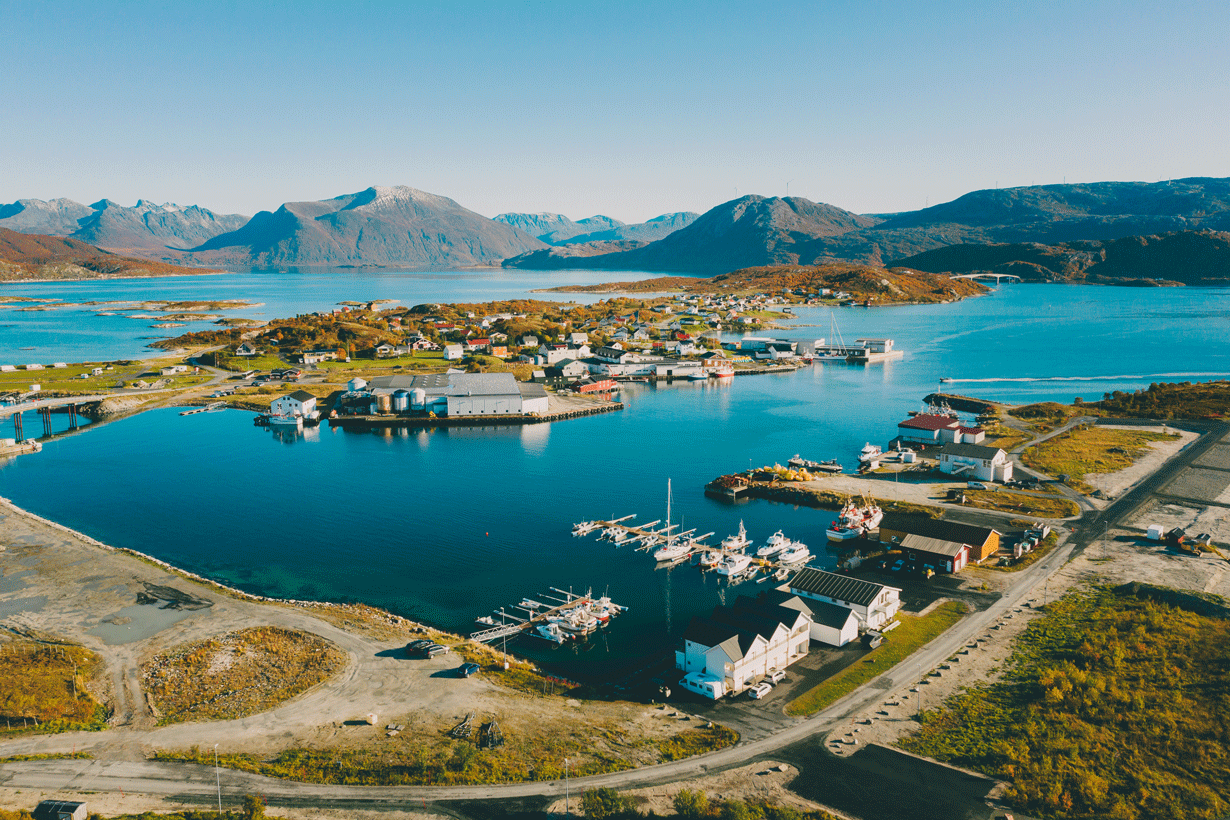
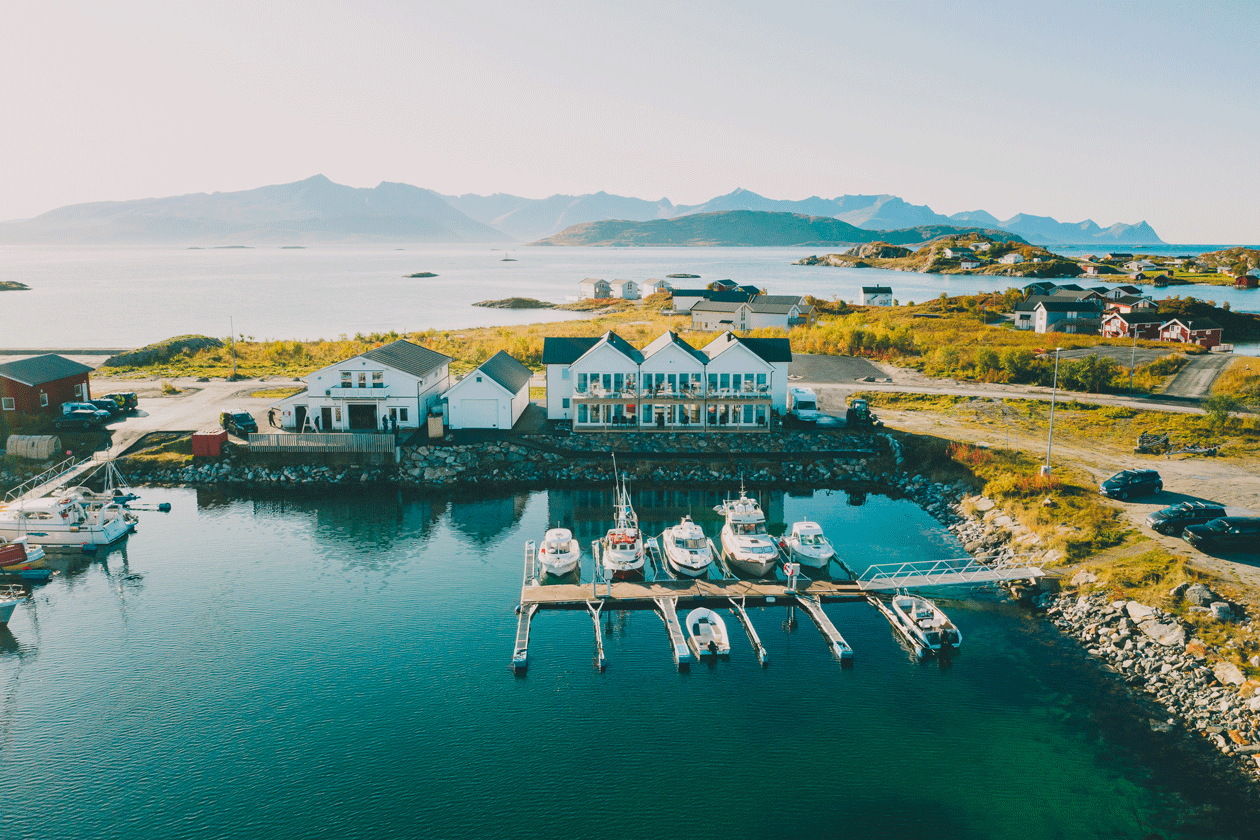
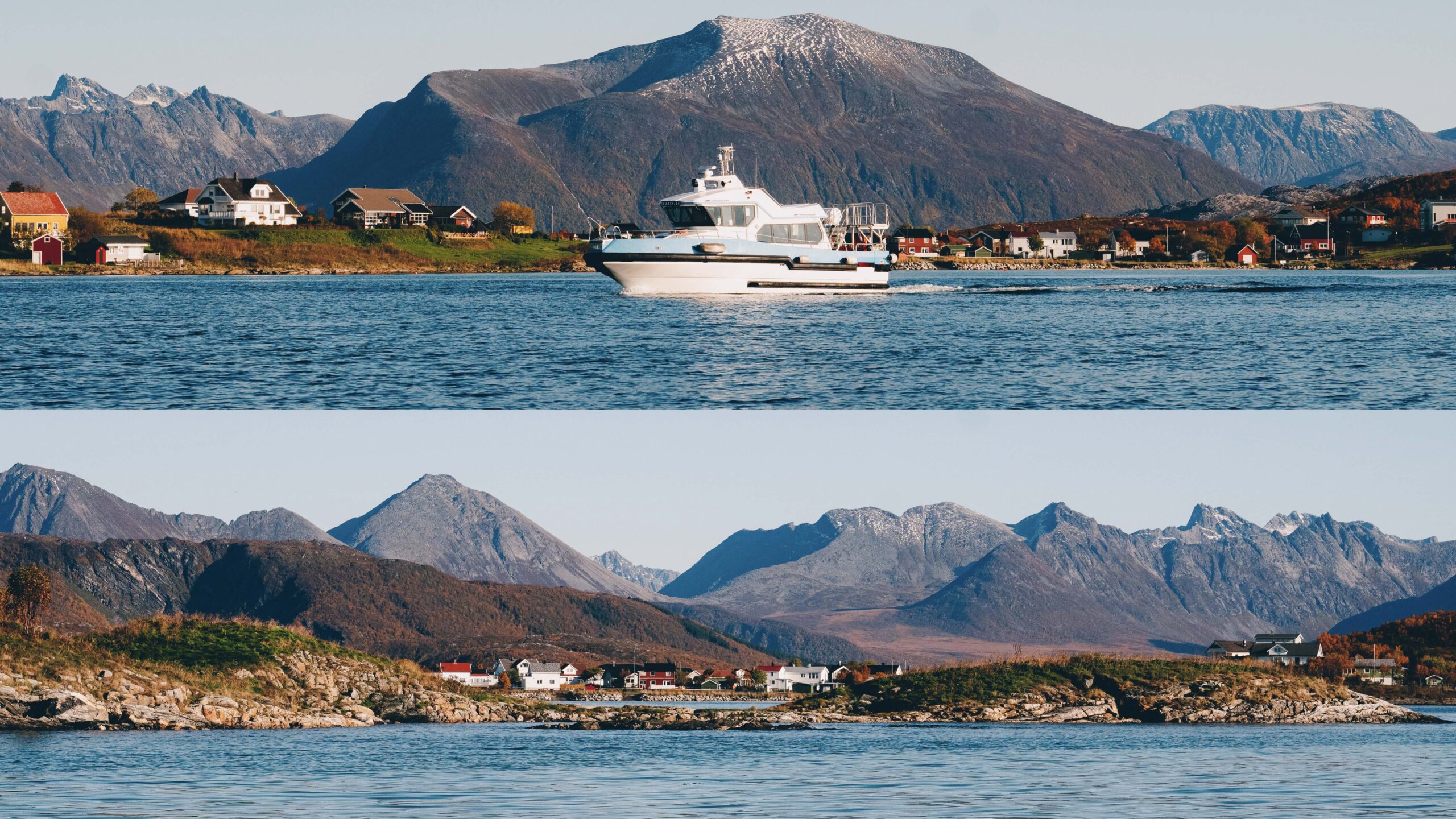
Sommarøy Sea Family is a family-oriented tourism and nature experience in Norway. The previous identity and visitor experience lacked clarity, accessibility, and a cohesive system across touchpoints, making it difficult for families and tourists to navigate, book activities, and feel emotionally connected to the destination.
Read more:
Problem & Opportunity
- Old branding misaligned with offerings: The previous name, Sommarøy Cruise, implied only boat tours, limiting perception of the full scope of experiences.
- Heritage underleveraged: The company’s six-generation family history was a powerful asset but underrepresented in the brand.
- Fragmented guest experience: Booking, communication, and onsite signage lacked cohesion, creating friction and missed storytelling opportunities.
Opportunity
Create a unified brand and UX framework that highlights heritage, showcases diverse experiences, and delivers a seamless, memorable journey for guests.
Role & Goal
Role:
- Led UX strategy and brand touchpoint design for Sommarøy’s digital and physical experiences.
- Conducted research and synthesized insights to define user needs and opportunities.
- Designed information architecture, user journeys, visual system, and UI components.
- Ensured a cohesive, heritage-driven experience across all touchpoints.
Goal:
- Strengthen Sommarøy’s brand identity while delivering a clear, intuitive, and family-friendly experience.
- Guide guests seamlessly from initial discovery to on-site exploration, highlighting heritage and diverse offerings.
Process
Research & Definition:
- Visitor Insights: Reviewed visitor feedback, tourist surveys, and on-site environmental observations to identify pain points across the end-to-end experience.
- Personas & Journeys: Created personas for key visitor groups: Local Family, Tourist Family, and Day Visitors, and mapped their journeys from planning to departure to reveal friction points and emotional stressors.
- Touchpoint Audit: Evaluated digital and physical touchpoints for clarity, legibility, consistency, and emotional tone to identify opportunities for improvement.
Iteration & Testing:
- Prototyping: Developed wireframes and mockups for the website, booking flows, activity details, signage, and brochures to explore clearer and more engaging communication.
- Stakeholder Collaboration: Conducted reviews with local tourism operators to validate priorities, ensure accuracy, and align with operational realities.
- Refinement: Iterated on navigation labels, visual hierarchy, and content clarity to reduce cognitive load and support intuitive decision-making.
Testing & Validation:
- Usability Testing: Tested prototypes with visitor groups and tourism partners to confirm that booking steps, navigation, and informational cues were easy to understand and follow.
- Experience Validation: Observed users interacting with both digital and physical materials to identify points of confusion and verify that updated flows improved confidence and wayfinding.
- Accessibility Review: Ensured content was legible, family-friendly, and usable for first-time and repeat visitors across multiple device types and on-site contexts.
Challenges & Learnings:
- Balancing Tone & Function: Combined playful, family-friendly visuals with the functional clarity required for smooth navigation.
- Designing for Diverse Audiences: Supported both first-time visitors and returning guests through clear hierarchy, intuitive labeling, and flexible content pathways.
- Cross-Channel Consistency: Ensured cohesion across physical signage, printed materials, and digital interfaces to create a unified and trustworthy visitor experience.
Research & Insights
Primary Users:
Adventure Tourists (25–40): Seek authentic maritime experiences.
Families (30–50): Prioritize safe, engaging activities and accommodations.
International Visitors (20–60): Attracted by scenic, off-the-beaten-path experiences.
Pain Points:
Confusion about available experiences due to unclear branding.
Limited connection to the company’s heritage.
Booking flow and on-site information inconsistencies.
Insights:
Users value authenticity and personal stories.
Visual cues tied to sea and heritage build trust.
Thoughtful design details increase perceived quality and care.
Understanding the Users: Personas
🏄♂️
Lars (Adventure Seeker)
Age: 32
Background: Outdoor enthusiast, tech-savvy, enjoys maritime activities.
Goals: Discover off-the-beaten-path experiences, book tours easily, feel confident in safety.
Pain Points: Overwhelmed by fragmented info, hesitant to book without clear guidance, frustrated by long booking processes.
Needs: Structured info, visual storytelling, simple mobile booking.
👩👧👦
Ingrid (Family Planner)
Age: 40
Background: Parent coordinating family vacations, values safety and comfort.
Goals: Plan and book family-friendly activities, ensure safety, seamless journey.
Pain Points: Confusion when offerings are not family-oriented, anxiety over safety, unclear directions.
Needs: High-contrast info, consistent visual cues, friendly, reassuring tone.
🌍
Tom (International Explorer)
Age: 26
Background: Solo traveler seeking unique cultural experiences, digitally savvy.
Goals: Experience local culture and nature, share moments online, navigate booking smoothly.
Pain Points: Language barriers, inconsistent or cluttered info, unclear scheduling.
Needs: Multilingual, visually clear instructions, cohesive branding, intuitive navigation.
User Journeys
Each stage identifies opportunities to reduce stress, simplify orientation, and enhance engagement:
🔍
Planning
Visitors find info online; need clear, approachable content.
➔
🛬
Arrival
Signage and zones must be intuitive for all visitor types.
➔
📅
Booking Activities
Booking flows should be simple, mobile-friendly, and reassuring.
➔
🚤
Exploration
On-site signage and environmental cues guide users through experiences.
➔
🧳
Departure
Visitors leave with a sense of accomplishment and connection.
UX-Driven Visual System
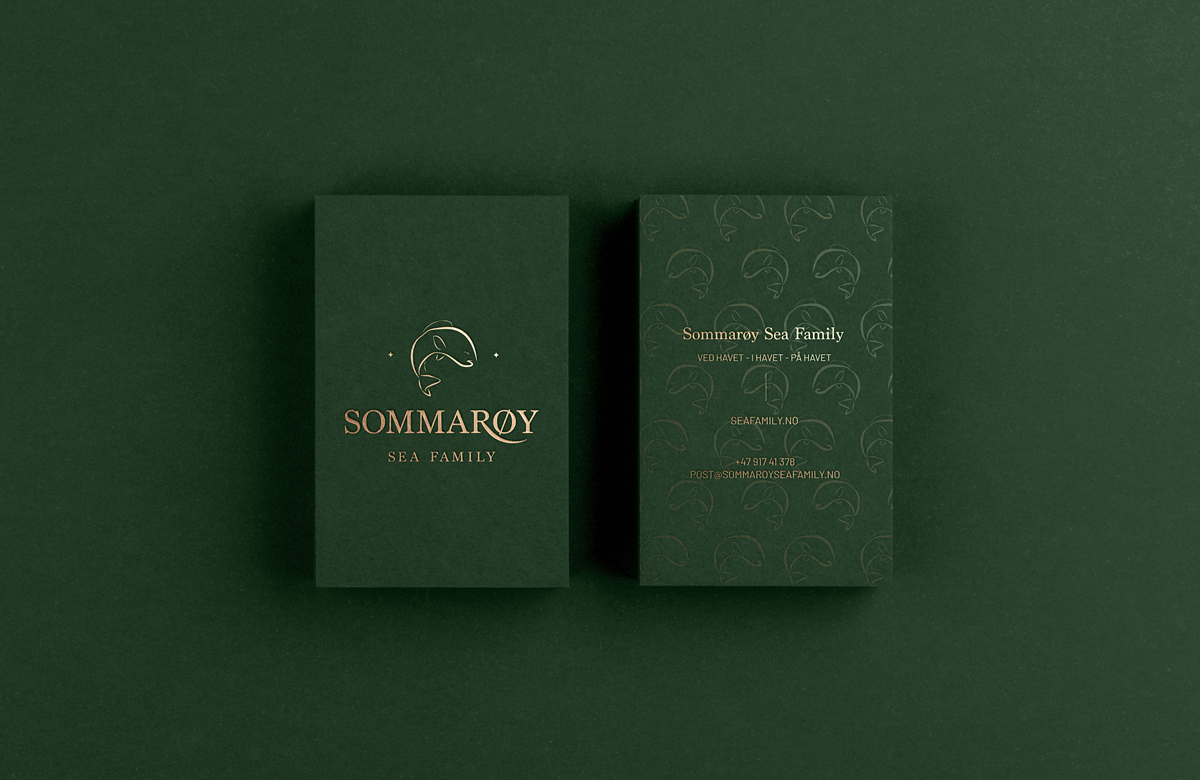
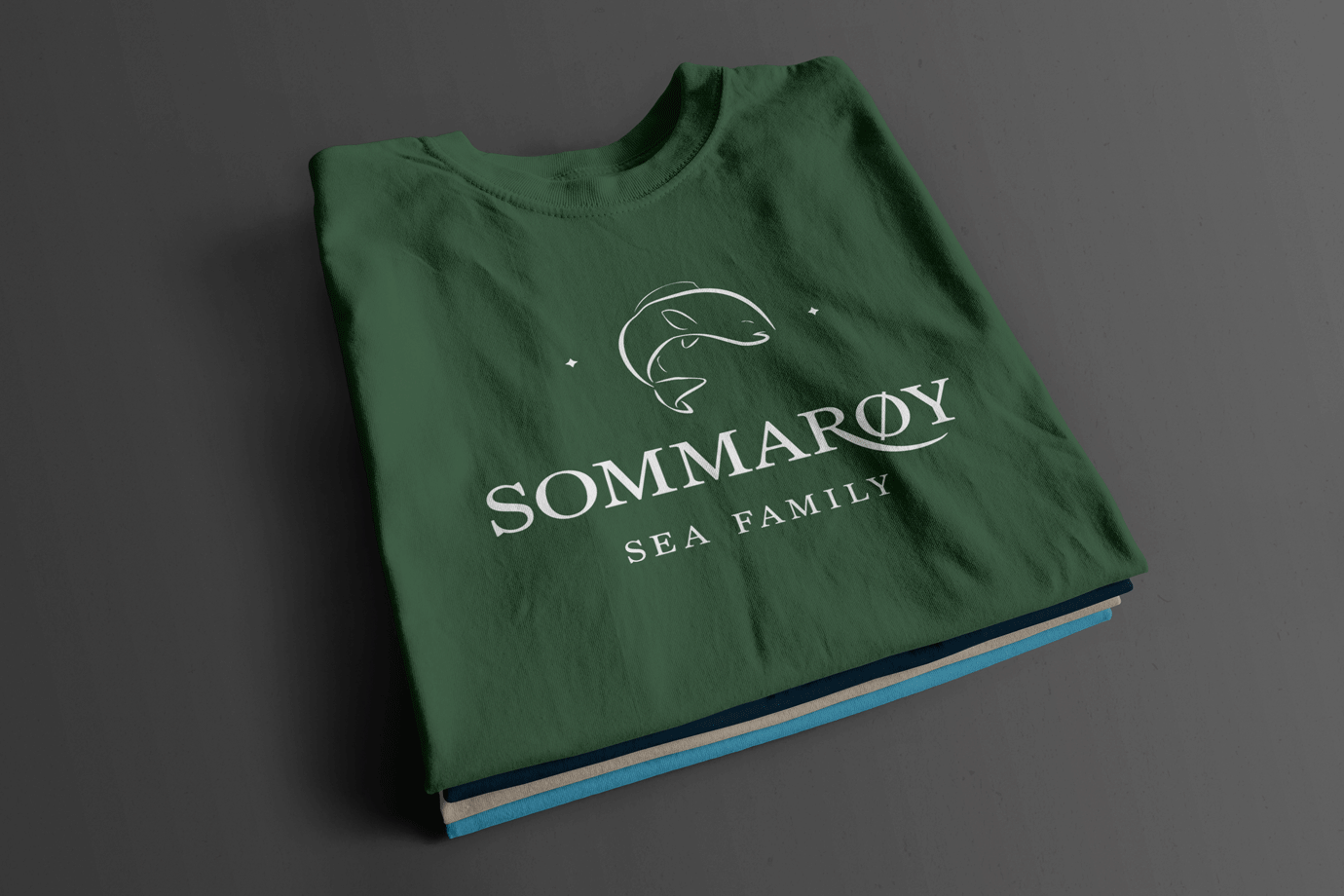
- Typography: Marion serif for headings paired with a clean, modern sans-serif for body copy. The strong contrast creates clear hierarchy and maintains readability across digital, print, and environmental signage, while the swooping R descender subtly echoes the brand’s handcrafted character.
- Colour Palette: Calming blues, greens, and natural tones reflecting the coastal environment. Neutral tones support functional needs.
- Hierarchy & Iconography: Clear visual hierarchy with simple, intuitive icons for navigation.
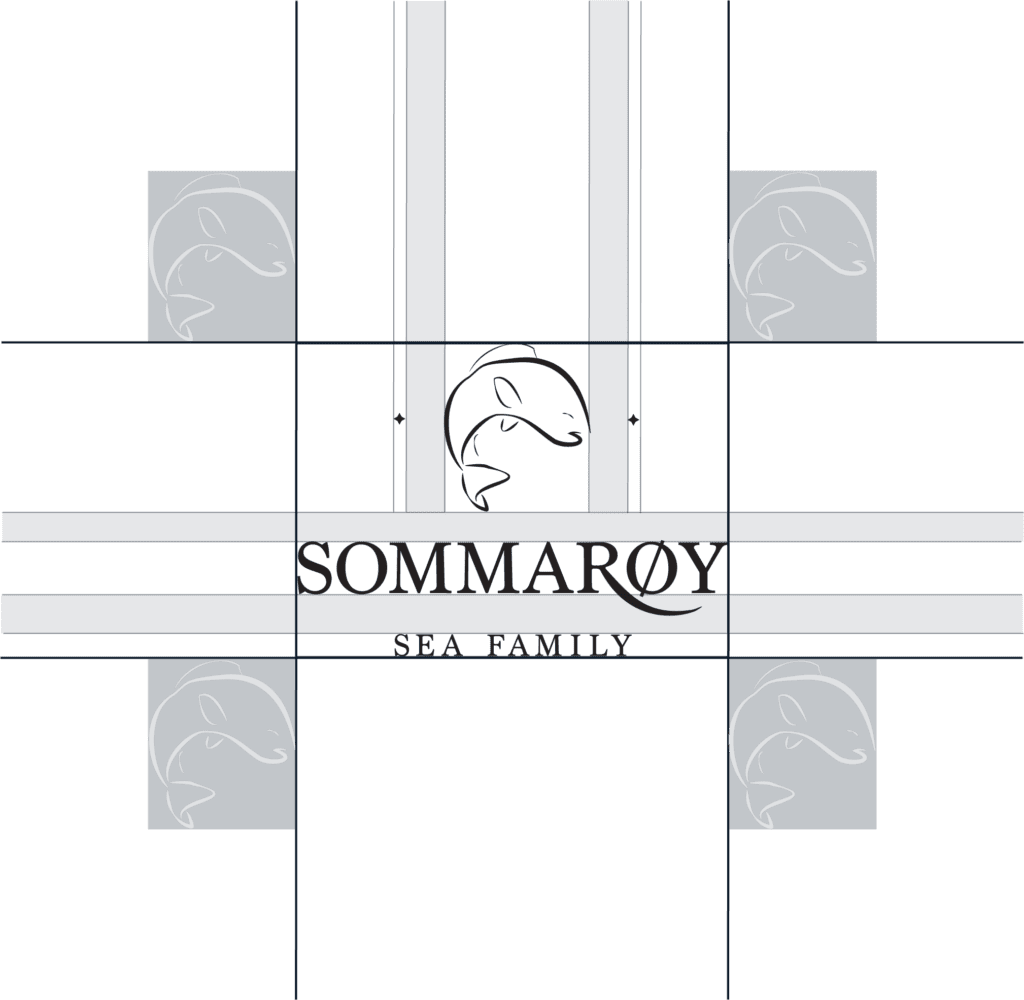
- Brand Motif: A hand-drawn fish illustration paired reinforces heritage, movement, and the humble, hand-crafted spirit at the core of the brand.
- Layouts & Consistency: Consistent layouts, spacing, and logo usage across digital, print, and environmental touchpoints.
- Accessibility: Legible fonts, high contrast, plain-language labels support diverse ages, abilities, and visitor types.
Outcome: The system transforms the brand identity into a functional UX system, guiding guests confidently through every touchpoint.
Touchpoint Applications
Environmental & Wayfinding
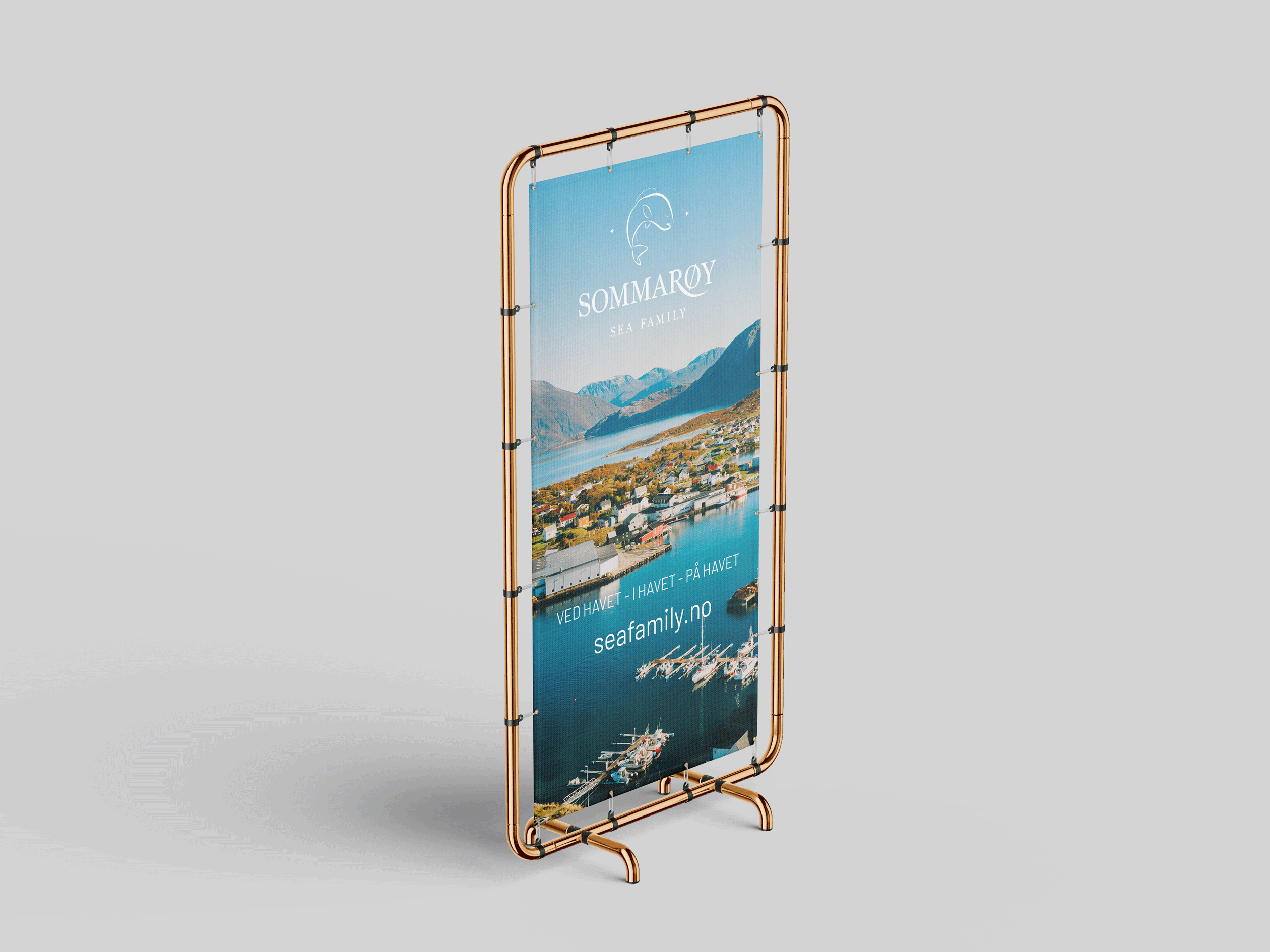
- High-contrast, intuitive signage guides families and tourists through activity zones.
- Staff terminology aligns with visitor-facing labels: “Check-in,” “Activity Meeting Point,” “Information Desk.”
- Designed to reduce cognitive load and help first-time visitors feel confident navigating the site.
Print Materials
- Brochures, schedules, and maps optimized for clarity across all age groups.
- Consistent visual hierarchy enables families to plan activities efficiently.
- Safety and accessibility information included to reduce visitor anxiety.
Digital Interfaces
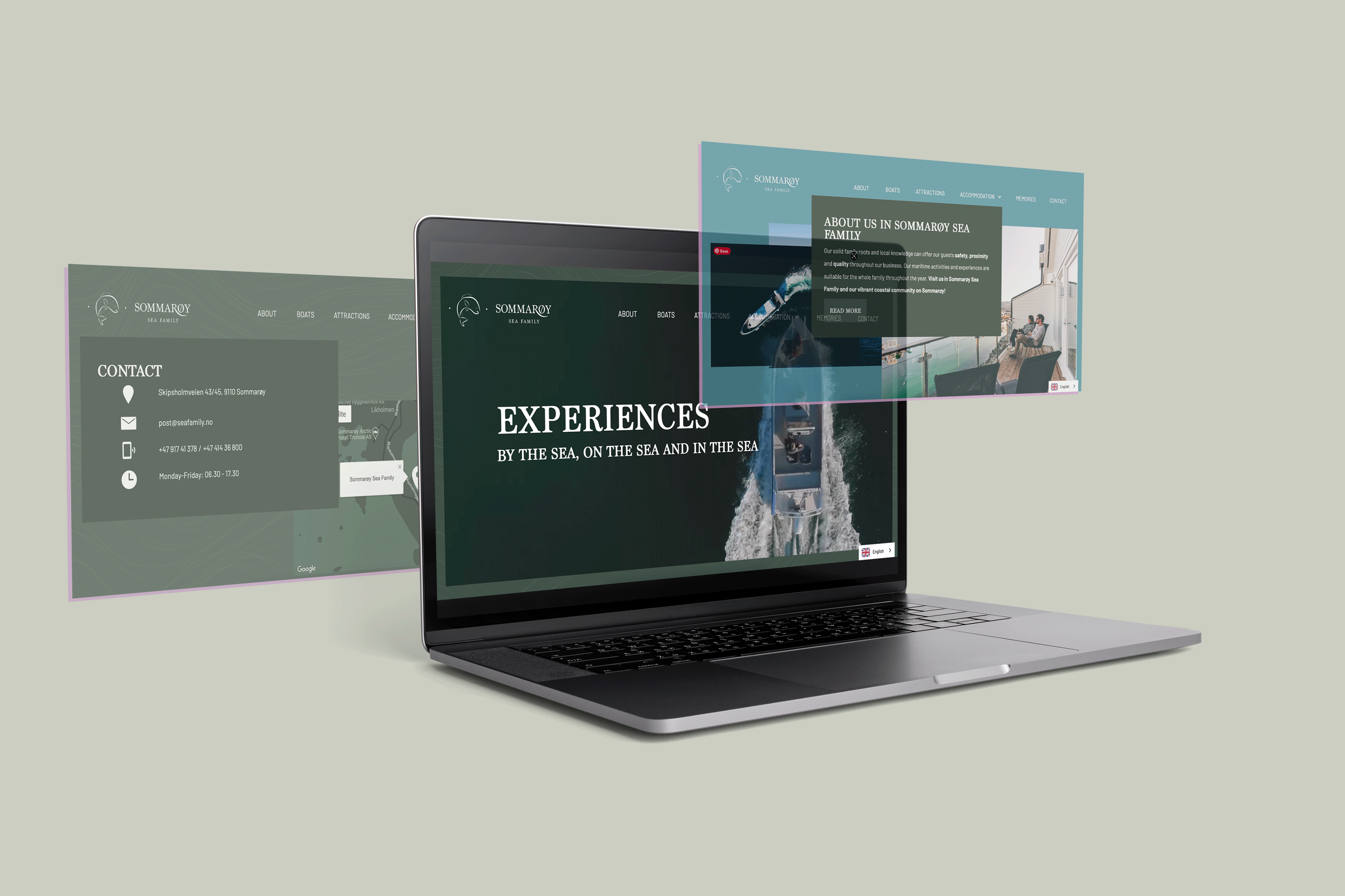
- Website and mobile booking flows aligned with UX principles.
- Clear, mobile-friendly navigation with intuitive activity selection and transparent booking steps.
- Terminology matches physical touchpoints for a seamless experience.
On-Site Interaction
- Self-service or guided kiosks provide immediate access to schedules, maps, and updates.
- Supports both first-time visitors and tech-savvy travelers.
- Consistent visual and language system ensures continuity with website, signage, and print materials.
Internal Communication
- Staff use consistent terminology and visual cues across all touchpoints to guide visitors.
- Provides a friendly, reassuring tone for families and first-time visitors.
- Ensures smooth coordination between physical, print, digital, and kiosk experiences.
Social & Storytelling Channels
- Instagram, Facebook, and blog content highlight local experiences and build visitor confidence.
- Reinforces the brand identity, visual system, and emotional tone before visitors arrive.
Website UX Contribution
- Defined typographic hierarchy and complementary fonts for headings, body, and CTAs.
- Set colour and contrast guidelines for readability and consistency.
- Recommended navigation labels that align with visitor mental models.
- Defined components, grids, and spacing for cohesive layouts.
- Ensured digital experience mirrored the calm, clear, welcoming feel of the physical environment.
Outcomes & Impact
👁️
Improved Clarity
Visitors now understand experiences, accommodations, and schedules quickly, both online and on-site.
📍
Intuitive Navigation
Consistent visual cues, clear typography, and layout make wayfinding seamless across piers, signage, and digital platforms.
♿
Accessibility & Inclusivity
Marion typeface, high-contrast colours, and plain-language labels ensure the brand is usable for all ages and international visitors.
⭐
Cohesive Brand Identity
Unified visuals and messaging strengthen trust, heritage, and approachability, creating a memorable brand experience.
📊
Enhanced Engagement & Reach
Visitors explore more experiences and spend more time on the website. Social media, direct referrals, and organic search channels benefit from a clear, recognizable identity.
💛
Emotional Impact
Guests feel welcomed and reassured, experiencing the warmth and maritime heritage of Sommarøy Sea Family across all touchpoints.
Key Takeaways
💡
Design Systems Must Bridge Physical and Digital
Creating a seamless visitor experience required treating signage, print, and digital interfaces as one ecosystem rather than separate deliverables.
🔍
Research Reveals Emotional, Not Just Functional Needs
Families and international visitors weren’t only looking for clarity, they needed reassurance, warmth, and a sense of welcome. Emotional tone became as important as usability.
🎨
Heritage Can Function as UX, Not Decoration
Integrating the family’s maritime history into layouts, icons, and language improved orientation and trust, proving that storytelling can guide behavior.
🧩
Consistency Reduces Cognitive Load
Even small mismatches (labels, icons, tone) caused confusion. Unifying micro-details had an outsized impact on ease of use and visitor confidence.
🧪
Testing With Real Visitors Changes Everything
Seeing families interact with signage and booking flows highlighted issues that weren’t visible on screens, reinforcing the value of testing in real environments.
Reflections
- Design systems can unify physical and digital experiences.
- Thoughtful naming, clear hierarchy, and consistent signage helped first-time visitors feel oriented and confident.
- Observing families interact with the space highlighted the power of micro-details such as icons, tone, and layouts in shaping understanding and trust.
- Designing the visual identity as a functional system showed that heritage, usability, and storytelling can create a seamless, welcoming experience.
previous project
next project